


Key Takeaways
- Probate can strain family relationships, especially in cases of contested wills or ambiguous estate plans.
- Emotional stress during probate may lead to prolonged grieving, increased anxiety, and heightened family disputes among loved ones.
- Financial implications include potential legal fees, court costs, administrative expenses, and delays in asset distribution.
- Proactive estate planning and open communication can help mitigate the negative impacts of probate on families.
Understanding Probate and Its Emotional Impact
The loss of a loved one represents a profound emotional upheaval, but for many families, the legal journey that follows—the probate process—can introduce additional challenges, confusion, and distress. Probate is the legal mechanism by which a deceased person’s estate is managed and distributed under court supervision, involving detailed paperwork, strict legal deadlines, asset inventories, and, at times, complex tax considerations. Each step along the way requires the attention and accountability of designated personal representatives or executors, who may themselves be coping with grief and uncertainty. Working with experienced Colorado probate lawyers can help lighten the procedural load and clarify obligations, but families must prepare for the emotional complexities involved.
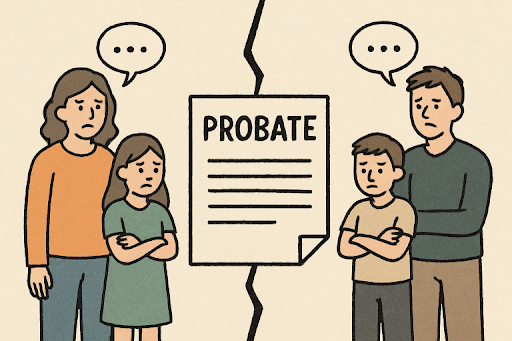
During probate, longstanding family dynamics often come to the forefront. Tensions may spike as siblings, step-relatives, and blended families confront differences in expectations or revisit past grievances. If there are surprises in the will’s terms—such as unexpected bequests or perceived favoritism in asset distribution—old wounds can easily be reopened, sometimes resulting in family rifts that linger well after probate is complete. The process can be particularly fraught in cases where communication between relatives has historically been limited or where unresolved disputes already exist. In such circumstances, probate may serve as an unwelcome catalyst for conflict, rather than providing resolution or closure.
How Probate Can Deplete Emotional Reserves
Beyond the paperwork and court appearances, probate represents a sustained emotional test for family members. The process itself is frequently slow, spanning months—or, in more complicated estates, even years—from start to finish. Disagreements over the division of cherished personal property or disputes on who should be entrusted as the estate’s executor often lead to confrontations and emotional exhaustion. Some families experience communication breakdowns, isolation of certain members, or permanent estrangement as a result of unresolved probate issues.
Public scrutiny adds a further layer of difficulty for those navigating probate. Because probate proceedings are a matter of public record, sensitive personal and financial information—such as the size of the estate, outstanding debts, or intimate family matters—may become uncomfortably visible. This intrusion into family privacy can leave heirs feeling vulnerable, amplifying stress and making it harder to mourn in peace.
Financial Implications of Probate on the Family
While probate is intended to ensure fair and legal estate distribution, it is rarely a cost-free undertaking. The financial fallout for families can be substantial: legal fees, executor compensation, required appraisals, court costs, and sometimes the need for outside experts can significantly cut into what the deceased intended to leave behind. If the estate is not particularly large, these fees might represent a considerable proportion of the inheritance, disappointing beneficiaries and intensifying feelings of loss or unfairness. For families whose financial stability depends on an expected inheritance, the impact of these costs can be deeply unsettling.
Another common frustration is the prolonged timeline for asset distribution. Until probate is finalized, heirs may be unable to access money, claim property, or take possession of family heirlooms. Essential assets—such as a home that provides shelter or investments that support daily living—may remain in limbo, sometimes for well over a year. This waiting period can have real-world financial consequences, as families delay paying off debts, managing mortgages, or making important life decisions.
Prolonged Grieving and the Psychological Toll of Probate
The lengthy duration of probate can extend the grieving period or even create an environment where healthy mourning becomes impossible. The continual reminders inherent in ongoing legal matters prevent families from finding closure; each new letter from an attorney or court summons revives the pain of loss. This “legal limbo” can be an especially heavy burden for those who wish to honor their loved one’s memory by moving forward in their lives.
In instances where probate turns litigious, the adversarial setting can deepen psychological wounds. Heated battles in court, public airing of grievances, and the uncertainty about eventual outcomes can trigger prolonged stress, anxiety, or depression. Professional grief counselors point out that this scenario can pave the way for complex grief and psychological trauma if families are unable to achieve resolution. Ongoing discord over inheritance can even overshadow fond memories, leaving a legacy marked more by pain than love or unity.
Estate Planning as a Preventive Measure
Fortunately, many of these probate-related challenges can be prevented through thoughtful estate planning. A well-crafted will, supported by legally sound trusts or beneficiary designations, greatly reduces ambiguity and the grounds for family conflicts. When assets are clearly allocated and decisions about guardianship or executorship are documented ahead of time, surviving family members are less likely to clash or misinterpret the decedent’s wishes.
Communication is equally important. Regular conversations with loved ones about the reasoning behind estate plans can minimize surprises and allow families to ask questions or express concerns before it is too late. In some cases, involving a professional mediator or family counselor while developing the plan can ease tensions and prevent misunderstandings. Retaining the services of a qualified estate planning attorney ensures that documents are current, legally effective, and tailored to the specific needs of the family. Strategies such as no-contest clauses, living trusts, or joint ownership can streamline or even avoid the probate process, helping to protect privacy and reduce administrative burdens. Ultimately, taking steps now to clarify intentions and secure assets provides peace of mind and promotes lasting family harmony.
Conclusion
The consequences of probate decisions for families are profound and multifaceted, affecting emotional health, financial well-being, and the very fabric of familial relationships. While probate is a legal necessity in many cases, its burden can be significantly reduced through forward-thinking preparation and honest communication. With comprehensive estate planning and open, ongoing dialogue, families can alleviate much of the stress associated with probate, protect valuable assets, and focus on healing together. Preparing for the future not only honors the memory of those who have passed but also helps preserve relationships and legacies for generations.