
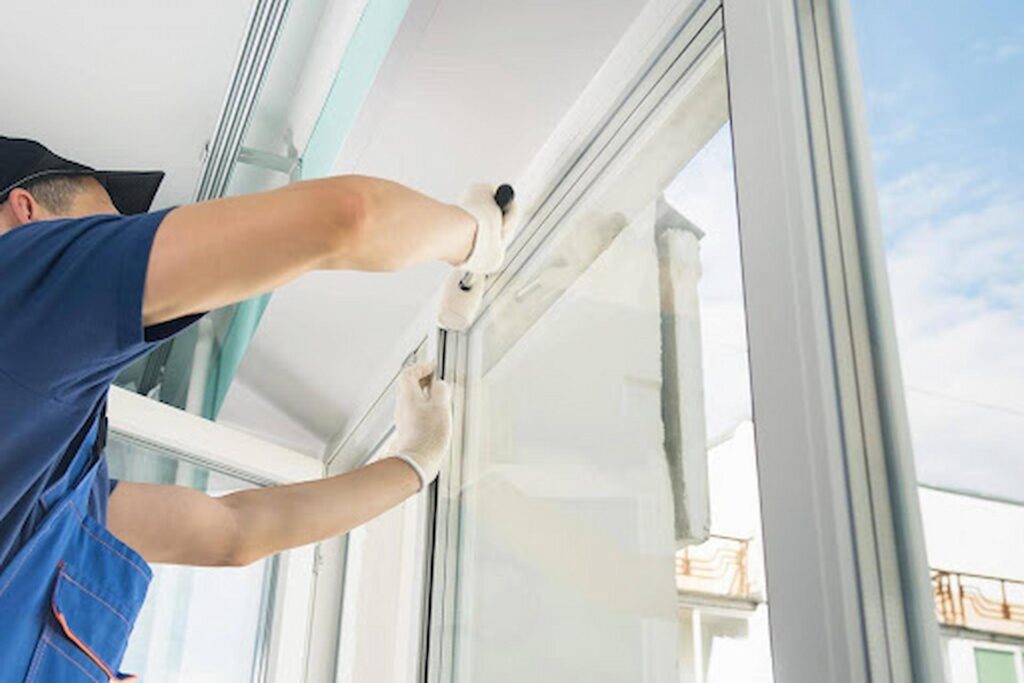

Cold drafts, rising energy bills, and rooms that never feel quite right often point to one hidden issue—your windows. Modern replacements can quietly transform how a home holds heat, blocks noise, and feels throughout the year, making everyday living noticeably more comfortable without complicated upgrades.
Replacing windows is one of the most effective upgrades a homeowner can make. It changes how a house retains heat, blocks cold air, manages noise, and maintains a stable indoor climate. Choosing the right window replacement company ensures that the improvements are not just visible but genuinely felt throughout the year.
Modern homes demand better performance from every part of the building. Windows play a bigger role than many people realise. They sit between indoor comfort and outdoor conditions, acting as a barrier—or a weak point—depending on their quality.
How Heat Loss Really Happens Through Old Windows
Heat moves in three main ways: conduction, convection, and radiation. Older windows struggle on all three fronts.
- Conduction occurs when heat passes directly through glass and frames. Single glazing and ageing materials allow this transfer easily.
- Convection happens when air leaks around frames, creating drafts that chill indoor spaces.
- Radiation refers to heat escaping as infrared energy through the glass surface.
Modern window designs address all these weaknesses at once, creating a more stable indoor environment without changing how you use your home.
The Insulation Upgrade Hidden Inside Modern Window Design
New replacement windows are engineered to manage heat more effectively using layered construction and improved sealing. While the technology sounds complex, the results are easy to feel, especially when installed by a reliable window replacement company that understands insulation performance.
Double or triple glazing uses two or three panes of glass separated by a sealed gap. This gap is often filled with insulating gas, which slows heat transfer. Low-emissivity coatings reflect indoor warmth back into the room during colder months and reduce heat gain when temperatures rise.
Frames also play a critical role. Contemporary materials are designed to reduce thermal bridging, which is when heat escapes through solid parts of the structure rather than the glass itself.
Comfort Is More Than Temperature Alone
Improved insulation does more than stabilise indoor temperatures. It enhances overall comfort in subtle but important ways.
Well-sealed windows reduce outside noise, creating quieter living spaces. They also minimise cold spots near windows, so furniture placement becomes easier and rooms feel balanced rather than uneven.
Better insulation can even help manage indoor moisture. By reducing condensation on glass surfaces, modern windows support healthier indoor air and protect surrounding materials from damp-related wear.
Seasonal Benefits You Notice All Year Round
Window replacement delivers value across every season, not just during winter.
In colder months, improved insulation helps retain warmth, reducing how often heating systems need to run. During warmer periods, efficient glazing limits solar heat gain, keeping interiors cooler and reducing dependence on fans or air conditioning.
These seasonal gains work quietly in the background, supporting comfort without constant adjustment or monitoring.
Energy Efficiency Without Complexity
Comfort improvements are closely tied to energy efficiency. When windows reduce heat loss, heating systems operate more efficiently, maintaining stable temperatures with less effort.
This efficiency supports consistent indoor comfort rather than cycles of overheating and cooling. Rooms feel usable throughout the day, and temperature differences between spaces become less noticeable.
Over time, these improvements contribute to lower energy consumption, supporting both household budgets and environmental goals without sacrificing comfort.
Practical Tips to Maximise Insulation Benefits
After replacing windows, a few simple actions can help homeowners get the most from their investment:
- Ensure curtains or blinds are opened during daylight to capture natural warmth
- Keep window tracks clean so seals remain effective
- Check surrounding walls for gaps that could affect performance
Small habits, combined with modern windows, support long-term comfort.
How to Maximise Everyday Comfort with Your New Windows
After upgrading, small steps help homeowners get the most from their new windows:
- Choose appropriate glazing levels based on room orientation and climate exposure.
- Ensure professional installation to maintain airtight seals and proper alignment.
- Maintain frames and seals with periodic checks to preserve performance over time.
- Coordinate window upgrades with ventilation planning to balance airflow and insulation.
These practical considerations support long-term comfort and consistent performance.
Understanding Key Terms Without the Complexity
Some technical language appears in window discussions, but the concepts are simple when explained clearly.
- U-value measures how well a window resists heat transfer. Lower values indicate better insulation.
- Low-emissivity coating is a thin layer that reflects heat while allowing light through.
- Thermal bridging refers to heat escaping through solid materials rather than insulated sections.
Knowing these basics helps homeowners make informed choices without needing specialist knowledge.
Long-Term Comfort as Part of Home Wellbeing
Comfort is not only physical but psychological. Homes that maintain steady temperatures and quiet interiors feel calmer and more inviting. Over time, consistent comfort supports better rest, concentration, and everyday enjoyment of living spaces.
Conclusion
Window replacement plays a foundational role in this experience, quietly supporting wellbeing without requiring ongoing attention once installed.
Window replacement is a practical and effective way to improve home insulation and everyday comfort. Modern windows are designed to reduce heat loss in colder months and limit unwanted heat during warmer periods, helping to maintain steady indoor temperatures throughout the year. By eliminating drafts and improving airtight seals, they create a more comfortable living environment and remove cold spots near windows.
In addition, improved insulation reduces condensation, supporting healthier indoor air quality and protecting surrounding surfaces from moisture damage. Modern window systems also help soften outside noise, contributing to calmer and more private indoor spaces. Together, these benefits reduce pressure on heating and cooling systems, which can lead to more efficient energy use over time.
Rather than being a purely visual upgrade, window replacement enhances how a home feels and functions each day. The result is a quieter, warmer, and more balanced living space that supports comfort, efficiency, and long-term liveability.