
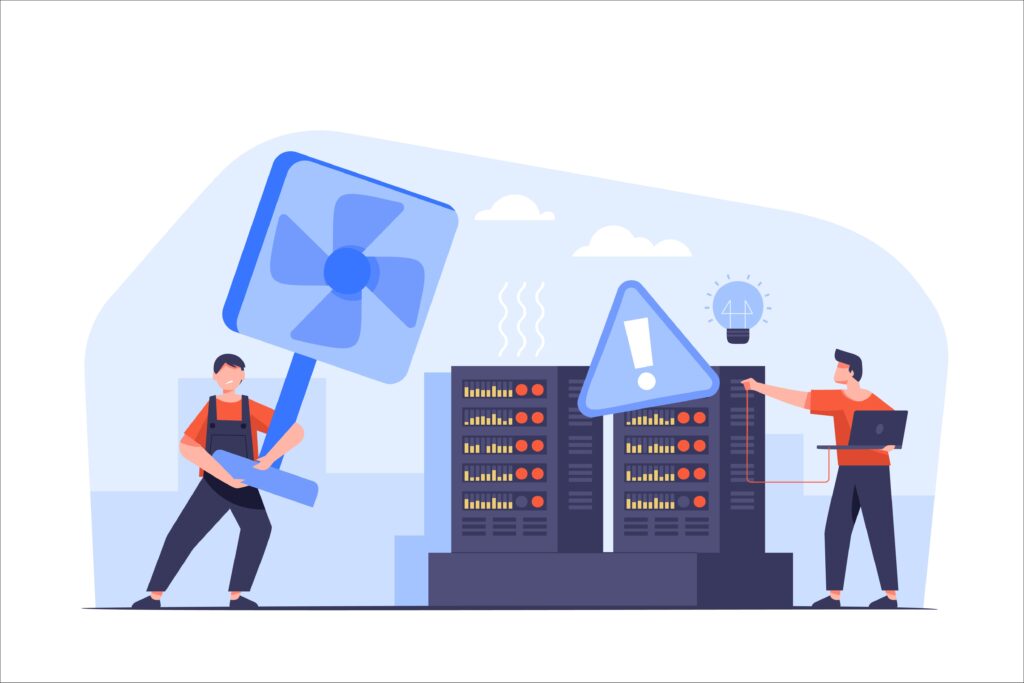

Data centres hold the backbone of the digital world. They process endless amounts of data, which produces extreme levels of heat. Without effective cooling, servers slow down, fail, or shut off completely. Businesses risk downtime and heavy financial loss if the right systems are not in place.
This is where advanced cooling technology becomes essential. Many operators are turning to liquid cooling solutions as a dependable method to handle rising server demands. By shifting from traditional methods to modern systems, data centres gain better control, efficiency, and stability.
Greater Energy Efficiency
One of the most important advantages of liquid cooling is energy efficiency. Traditional air systems require large fans and constant airflow, which consume massive power. In contrast, liquid systems absorb and transfer heat far more effectively.
Because of this efficiency, operators use less energy to achieve stronger cooling results. Over time, the reduced energy load creates significant cost savings. Businesses also find it easier to meet sustainability goals with this approach.
Improved Heat Management
Data centres generate high-density heat as workloads grow. Air cooling methods often struggle to reach components tucked deep inside racks. This leads to hot spots and uneven performance.
Liquid systems solve this issue by drawing heat directly away from the source. With this method, components remain at stable temperatures even under heavy workloads. Improved heat management means less downtime and greater system reliability.
Reduced Space Requirements
Air cooling requires a large footprint, with ducts, fans, and raised flooring. These installations take up valuable space in facilities. For growing data centres, space quickly becomes a costly challenge.
Liquid systems are more compact and targeted. They allow operators to fit more servers into the same floor space without compromising performance. This benefit supports business expansion and makes infrastructure investments more cost-effective.
Longer Equipment Lifespan
Heat is one of the biggest threats to server equipment. When hardware operates at unstable temperatures, it degrades faster. Frequent replacements and repairs raise costs for businesses.
Liquid cooling keeps equipment within safe ranges for longer periods. Stable conditions reduce stress on sensitive parts like processors and memory units. As a result, companies extend the lifespan of their infrastructure and reduce replacement cycles.
Lower Operational Costs
Energy use is only one part of operating costs in data centres. Maintenance and repair also play a major role. Air-based systems require constant servicing of fans, filters, and ducts. Each of these adds expense and downtime.
With liquid systems, maintenance needs drop significantly. Components run cleaner and last longer, while cooling performance remains consistent. This creates long-term savings and reduces disruptions for data centre staff.
Stronger Reliability During High Demand
Periods of high demand push systems to their limits. Traditional cooling sometimes fails to keep up, which leads to throttled performance. For businesses, this can mean slower processing and client dissatisfaction.
Liquid technology maintains stability under heavy loads. Even when servers run at maximum capacity, the system keeps temperatures under control. This reliability allows businesses to handle peak periods with confidence.
Environmental Benefits
Businesses worldwide face increasing pressure to adopt eco-friendly practices. Air-based cooling systems release more emissions due to their high energy use. Liquid systems consume far less energy and require fewer resources to achieve the same results.
By reducing the carbon footprint of data centres, companies meet stricter regulations and improve their public image. Energy savings also free up budgets that can be directed toward growth or innovation. This advantage makes liquid cooling an appealing choice for modern businesses.
Flexibility in Modern Data Centres
Not every data centre has the same design. Some facilities run on older infrastructure, while others are built with the latest equipment. Flexibility is vital when choosing a cooling system that adapts to different layouts.
Liquid cooling solutions provide adaptable designs for various environments. They work well in both large-scale cloud facilities and smaller enterprise centres. This adaptability ensures operators can install systems that match their specific requirements.
Advantages of Reduced Noise Levels
Large data centres that rely on air cooling tend to produce loud, constant noise. Fans must run at high speeds to handle heat, which adds to workplace disruption. This environment can be stressful for staff who need to work nearby.
By using liquid cooling solutions, facilities cut down mechanical noise. The systems work quietly, creating a calmer atmosphere while maintaining performance. This advantage improves both comfort and operational efficiency.
Liquid cooling represents more than a technology upgrade. It delivers energy efficiency, stronger reliability, and protection for expensive equipment. It saves space, lowers costs, and supports environmental goals. For modern data centres, the choice is clear. Adopting liquid systems ensures stability in today’s demanding environment and prepares facilities for future growth. By focusing on this technology, businesses safeguard both performance and profitability.