
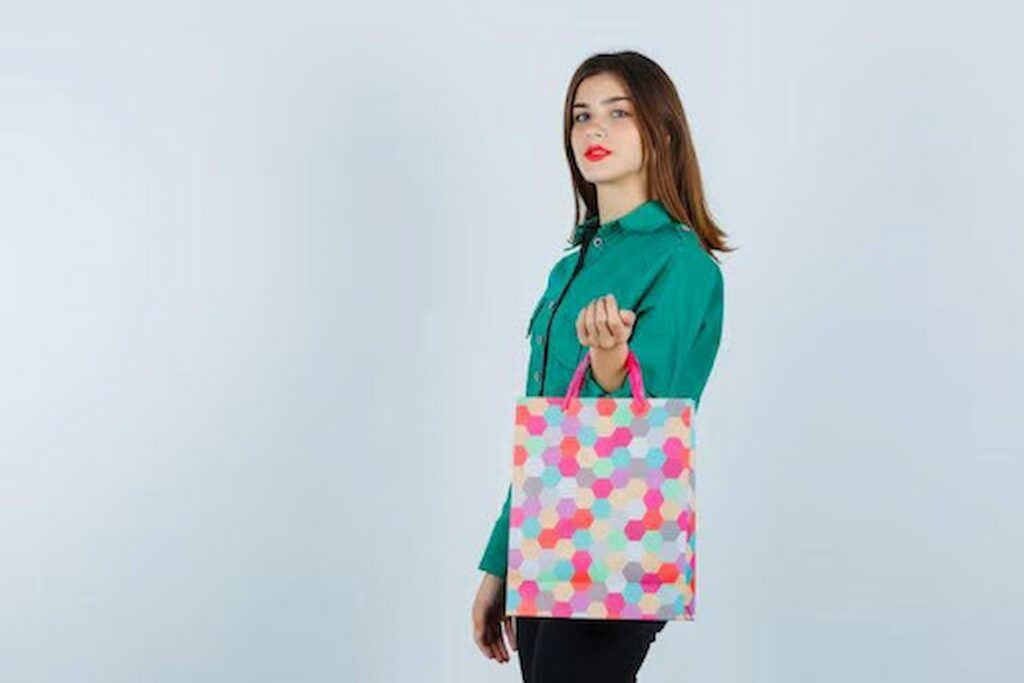

Choosing the right material for printed bags can make a big difference in durability, appearance, sustainability, and cost. Whether you’re ordering for personal use or brand packaging, understanding the options helps you make a smarter decision. This guide breaks down the most popular materials and what makes each one stand out.
Selecting the ideal material for custom bags can feel challenging, especially with so many choices available. Each material serves a different purpose and offers unique benefits in terms of strength, environmental impact, cost, and appearance. Whether you’re planning packaging for events, retail, or everyday use, understanding these differences helps you decide what best suits your needs.
Why Material Matters
The material you choose affects how long the bag lasts, how it feels, and how people perceive it. A high-quality printed bag can enhance brand identity, make carrying items easier, and reduce waste. Meanwhile, a poorly chosen material may wear out quickly, fade, or fail to match your purpose.
Paper Bags: Lightweight and Eco-Friendly
Paper remains one of the most popular choices for printed bags. It’s versatile, easy to brand, and recyclable. Many people prefer paper because it feels natural, looks stylish, and aligns with environmentally conscious values.
Pros:
- Fully recyclable and biodegradable
- Ideal for light to medium-weight items
- Excellent for clean and sharp printing
Considerations:
Paper is not suitable for heavy loads or rough handling, especially in wet weather.
Cotton Bags: Durable and Reusable
Cotton is well-known for its durability and comfortable texture. These bags are popular for long-term use because they withstand repeated washing and everyday wear. Cotton handles strong printing and embroidery well, making messaging and designs stand out.
Pros:
- Can be reused many times
- Quiet and natural feel
- Strong, washable, and long-lasting
Considerations:
Cotton production can use significant resources, so choosing responsibly sourced or recycled cotton is recommended.
Jute Bags: Natural and Rustic
Jute bags offer a rugged look and long-lasting strength. They are often used for groceries or heavier items. Jute comes from natural plant fibres and is fully biodegradable, making it a great eco-conscious choice.
Pros:
- Very strong and suitable for heavier loads
- Excellent eco-friendly credentials
- Natural, earthy appearance
Considerations:
Printing can sometimes appear textured rather than smooth due to the fibre structure.
Non-Woven PP (Polypropylene): Lightweight and Cost-Effective
Non-woven polypropylene is commonly used in reusable shopping bags. While technically plastic, these bags are long-lasting and reusable, helping reduce single-use waste.
Pros:
- Affordable and reusable
- Lightweight yet strong
- Good for both basic and detailed printing
Considerations:
Not biodegradable, though some versions are recyclable depending on local facilities.
Woven Fabric Materials: Strong and Premium
Woven materials, such as polyester or nylon, are durable, tear-resistant, and often used for premium designs. These bags can handle complex printing styles and vivid colour work.
Pros:
- High durability and long lifespan
- Weather-resistant
- Ideal for detailed graphics
Considerations:
Not biodegradable, and recycling depends on region and facilities.
Finding the Best Option for Your Needs
In the middle of the decision process, you should consider how custom bags will be used, whether they are meant for single use or long-term reuse, and how important sustainability is. The right choice balances cost, function, and brand message.
Key Questions to Guide Your Choice
- How heavy are the items the bag will carry?
- Is sustainability a priority for your project?
- Do you want a natural or smooth finish?
- Will the bag be reused or thrown away after one use?
- What printing style do you want?
Actionable Tips to Make the Right Decision
- Define the purpose: Match the material to the intended use—paper for gifting, cotton for daily use, jute for groceries.
- Consider printing style: Smooth materials work better for detailed artwork.
- Think long-term: Reusable bags offer better value and reduce waste.
- Check sustainability details: Look for recycled, certified, or biodegradable options.
- Test samples: Feeling the material in person helps you assess texture, thickness, and appearance.
Summary and Call to Action
Choosing the right material for printed bags comes down to understanding your needs and the qualities that matter most— durability, environment-friendliness, printing style, and overall feel. Each material has its strengths, whether it’s the crisp printability of paper, the timeless practicality of cotton, or the rugged style of jute. By considering how the bag will be used, who will carry it, and what message you want it to communicate, you can make a confident and informed decision.
If you’re ready to explore designs and find the perfect style of custom bags, now is the ideal time to compare options, request samples, and bring your vision to life. The right bag can leave a lasting impression—make sure yours stands out.