
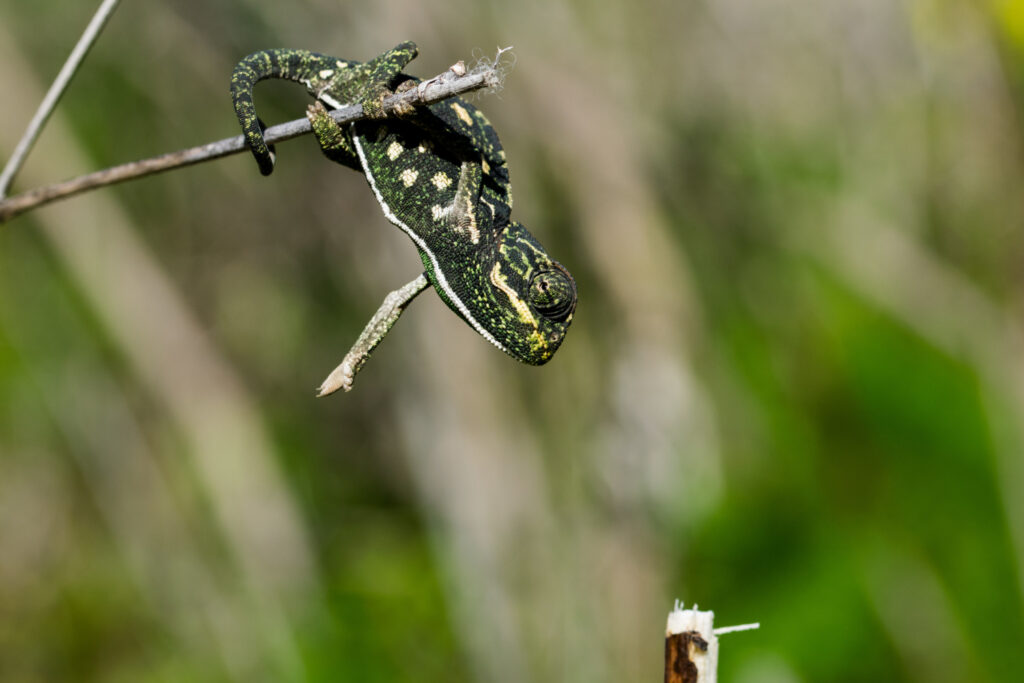

Kleptotoxicity is one of the most clever ways that nature protects itself. Organisms can “steal” toxins from other species and use them to protect themselves thanks to this amazing process. To protect themselves, most animals have to make their own poisons. The smart animals here use a different method: the chemicals in the food they eat are already made into weapons. All sorts of living things, from bright sea slugs to some frogs and insects, show the kind of thing I love about this biological event.
This evolution is more than just being able to eat poisons. Certain parts of these animals’ bodies have evolved to store stolen toxins without hurting themselves. To give you an example, the Eastern Emerald Elysia sea slug is a great example of this interesting change. Killing predators with kleptotoxicity makes these animals very safe and changes the basic way ecosystems work. Scientists first looked at this in living things. The idea now covers a wider range of ways that people take things from others and take advantage of others in human social systems. This more recent use shows how bad it is when people take other people’s resources.
What does nature mean by kleptotoxicity?
Kleptotoxicity is a biological idea that comes from the words “klepto” (which means theft) and “toxicity” (which means poisonous substances). These parts come together to make a word that describes an interesting way of staying alive. Instead of making their own chemicals, species steal them from other living things.
What the term means and where it came from
The word “kleptotoxicity” was made up by scientists while they were studying chemical ecosystems. They saw that some species were poisonous even though they couldn’t make poison themselves. This amazing change shows how living things eat poisonous plants or animals and store the poisonous chemicals in special glands or tissues. This behavior is perfectly described by the word, which literally means “theft of toxins.”
What makes it different from making toxins
Toxins are not made, but stolen. This is how kleptotoxicity works. A lot of species in the wild can’t make their own chemicals that protect them. Instead, these creatures have made something very interesting. Their bodies changed so that they can safely store and use poisonous chemicals that come from food. It takes a lot more energy to make toxins from scratch than to use this method. It’s the fastest way for nature to make a defense.
Why it matters in the interactions of predators and prey
Kleptotoxicity makes biological relationships between species very complicated. The animals that use this method rely on food sources that are poisonous. This dependence changes the number of species in their environment. Besides that, it keeps them safe from animals that might try to eat them. Other animals are less likely to eat them because they either make them sick or make them taste awful.
It also helps species develop together. To protect themselves, prey species make their poisons stronger. Predators learn to use these chemicals and become less sensitive to them at the same time. The biological arms race that is going on right now changes ecosystems and adds a lot to trends of biodiversity over time.
Why Kleptotoxicity Does What It Does in Animals
In the complex process of kleptotoxicity, animals use a number of complex biological systems. This amazing change shows how nature uses chemical weapons in new ways for self-defense.
When poisonous plants or animals are eaten
Animals become kleptotoxic when they eat poisonous prey, plants, or other natural sources of dangerous chemicals as part of their specific diet. These living things have to deal with possible damage to their digestive systems by using special enzymes that neutralize the bad effects or molecular changes that give them protection. We saw selective eating on certain toxic sources. As an example, look at how sea slugs eat poisonous shells and store the harmful chemicals in their bodies.
Getting rid of and storing toxins
Animals must safely carry and store these stolen toxins after eating them. This process of sequestration includes toxins being taken up and stored in specific cells, tissues, or organs. Thanks to recent progress in molecules, scientists have found unique ways to move things around. ABC transporters help the poplar leaf beetle move toxins from its gut to places where it can store them. Toxins can build up in the skin, on the outside of body parts, on the top layers of skin, or in special cells. A lot of insects that eat plants can take in and store plant toxins that are up to 20 times stronger than the plants they eat.
Biological changes that make us resistant to toxins
Keep in mind that kleptotoxic animals have amazing ways of keeping themselves from harming themselves. Target modification changes the gene regions that code for receptors that certain toxins bind to, which makes the binding less strong. The monarch butterfly can handle plant cardenolides because certain amino acid changes in the α subunit of Na+/K+-ATPase make the enzyme less sensitive. In addition, it creates ways to get rid of toxins—components made of serum that guard the circulatory system and stop enzyme-based toxins from working.
Putting out poisons as a defense
The toxins that have been stored can be used as strong chemical weapons. Before using these chemicals, many species have come up with ways to turn them on. The cabbage aphid makes a segmented thio-glucosidase that breaks down stored glucosinolates when tissue is damaged. Toxins that have been stored can be released quietly when predators eat the toxic tissue or actively when threats show up through secretions or sprays. This strategic move makes the kleptotoxic organism unpleasant or even deadly to predators, which changes the way predators and prey interact in their environment as a whole.
Kleptotoxicity in the Wild Examples
In order to defend themselves against predators, many species in nature have developed amazing defense mechanisms that include stealing chemical defenses from their food.
Toxic sponges and nudibranchs
This adaptation is best exemplified by marine nudibranchs, or sea slugs. These vibrant animals consume cnidarians, corals, and toxic sponges. They store potent substances in their cerata, which are specialized appendages or exterior tissues. Among these kleptotoxic species, the Eastern Emerald Elysia (Elysia chlorotica) is particularly notable. It absorbs and retains toxins from algae, which render the slug poisonous and unappetizing to predators.
Alkaloid-rich insects and poison dart frogs
All of the lethal skin poisons that poison dart frogs (Dendrobatidae) produce come from their diet. Ants, beetles, mites, and other tiny arthropods are the source of alkaloids for these amphibians. Studies reveal that frogs kept in captivity on crickets remain non-toxic, demonstrating that toxicity is influenced by diet. The Phyllobates terribilis, or golden poison frog, is extremely venomous and can be fatal if touched.
Milkweed and monarch butterflies
One of the best examples of kleptotoxicity is the monarch butterfly (Danaus plexippus). Only milkweed plants that contain poisonous cardenolides are consumed by the caterpillars. These substances remain in butterflies’ larvae and adults, deterring predators. They are protected throughout their lives by the large concentrations of these stored toxins in their hemolymph.
Toxic plant compounds and beetles
By consuming poisonous plants and storing the chemicals in their bodies, many beetle species employ kleptotoxicity. They transform plant toxins into their own chemical armor, just like other kleptotoxic species, without requiring energy to produce poisons.
The Significance of Kleptotoxicity in Ecosystems
Kleptotoxicity not only aids in the survival of organisms. across intricate ecological interactions that run across food webs and evolutionary histories, it shapes entire ecosystems.
Changes to food routes and how predators act
Kleptotoxicity changes the way food webs work by making feeding connections that were not expected. Because predators learn to stay away from poisonous food, they have to hunt different kinds of animals. These changes in how people hunt have an effect on how common different species are and help keep ecosystems safe. Having kleptotoxic organisms around can change how whole groups of species associate with each other.
A part in coevolution and special diets
Kleptotoxicity has shaped special meals for a long time. Kleptotoxic species need to eat or grow plants that are toxic in order to stay alive. They can’t eat as much, but this helps them make their own natural niches. This kind of dependence creates a long-term bond: toxic prey get stronger defenses, and toxic consumers get greater resistance to toxins. This smart arms race between species is favored by natural selection.
Effects on variety and the survival of species
With kleptotoxicity, species can protect themselves well without having to work hard to make toxins. This adaptation helps protect variety by letting species do well in places where there are lots of predators. When kleptotoxicity happens, warning signs like bright colors are sent out, which creates selection pressures. These forces affect how species live together and form groups.
In conclusion
Kleptotoxicity is one of the most amazing ways that living things survive. It lets them get chemical protection without making them themselves. In many environments, this smart adaptation helps animals take harmful chemicals from their food and use them to stay safe. Instead of making poisons themselves, these species have come up with special ways to store and use stolen chemical weapons without risking their own safety.
Nature gives us a lot of examples of how well this method works. Sea slugs carefully get poisons from algae and sponges. The bugs that poison dart frogs eat give them chemicals that are very poisonous. Cardenolides from milkweed plants are stored by monarch butterflies. This makes them taste awful to animals that want to eat them. The main idea behind all of them is the same: taking chemicals makes weak things stronger.
This was first noticed by biologists, but kleptotoxicity teaches us more about how to use resources and change in general. The ideas behind it show how species can do well by specializing and gathering resources in smart ways. Without a question, kleptotoxicity shows how creative life is when it comes to dealing with predators.
FAQs
What does kleptotoxicity mean in the real world?
Kleptotoxicity is a way for animals to protect themselves by getting toxins from the food they eat instead of making them themselves. These animals eat plants or animals that are poisonous, and then they store and use these poisons to keep themselves from being eaten.
How do animals use kleptotoxicity without getting hurt?
Animals that use kleptotoxicity have changed their bodies in special ways. Some of these are changed gene sequences, modified enzymes, and specialized storage tissues that let them safely eat, store, and use toxic chemicals without hurting themselves.
Can you name an animal that uses kleptotoxicity?
The poison dart frog is a well-known kind of this. These frogs get all of the toxins in their skin from the food they eat, mostly alkaloid-rich insects. It’s interesting that poison dart frogs grown in captivity on a different diet don’t become poisonous.
What effects does kleptotoxicity have on ecosystems?
Kleptotoxicity has a big effect on ecosystems because it changes the relationships between predators and prey, encourages species to coevolve, and changes biodiversity. It changes the way whole food webs and community structures work and makes natural relationships more complicated.
Is kleptotoxicity a way for animals to save energy?
Yes, kleptotoxicity usually uses less energy than making toxins inside the cell. Animals can avoid the metabolic costs of making complex toxic compounds from scratch by getting chemical protection already made from the food they eat.