
Table of Contents
- Common Causes of Residential Water Damage
- Immediate Risks Associated with Water Damage
- Long-Term Consequences of Untreated Water Damage
- Steps to Take Immediately After Water Damage
- Importance of Professional Water Damage Restoration
- Preventive Measures to Avoid Future Water Damage
- Understanding Insurance Coverage for Water Damage
- Conclusion
Water damage in a home can occur unexpectedly, whether from a burst pipe, severe weather, or unnoticed leaks. The effects extend beyond visible puddles or stains, often impacting the structural integrity of walls, floors, and ceilings. Moisture can seep into hidden areas, creating an environment conducive to mold growth and deterioration of building materials. Understanding the potential risks associated with residential water damage is essential for homeowners to address issues promptly and minimize long-term complications. Early assessment and intervention are key to preventing further structural or health-related problems.
When dealing with water damage, many homeowners turn to a residential restoration company for guidance and support. These professionals specialize in identifying hidden moisture, drying affected areas, and implementing repair strategies to restore the home to a safe and stable condition. Engaging with experts can streamline the recovery process and ensure that both immediate concerns and underlying issues are properly managed, helping families regain a sense of normalcy in their living spaces.
Common Causes of Residential Water Damage
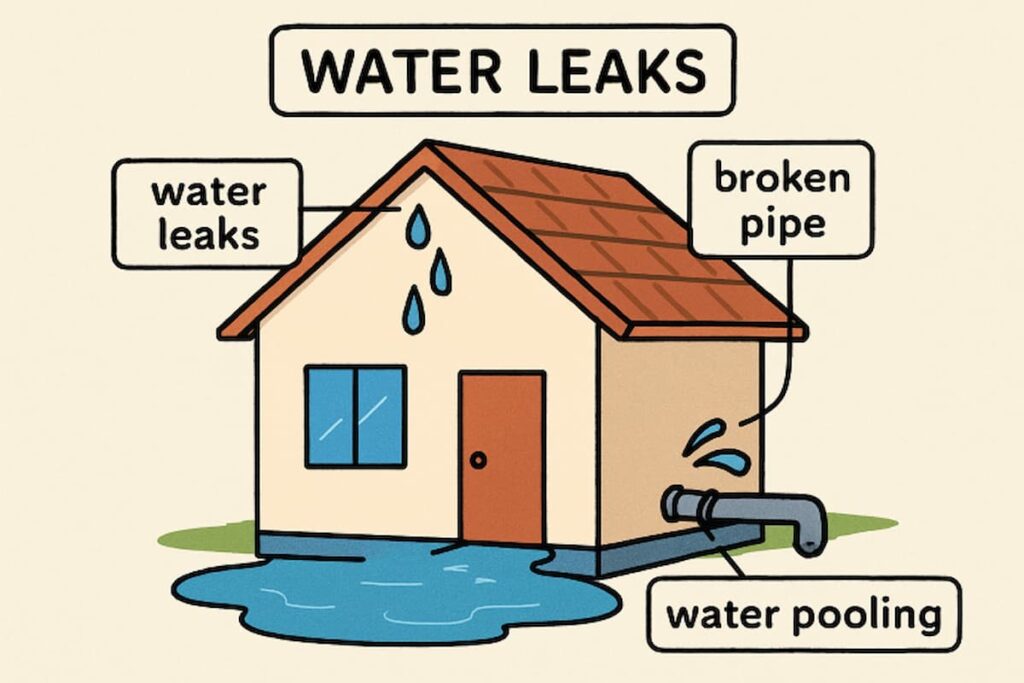
Residential water damage often occurs swiftly and unexpectedly. Understanding the root causes can help you prevent or identify damage before it spreads. The primary culprits include:
- Roof Leaks: Aging or damaged shingles, compromised flashing, and clogged gutters can allow rain and melting snow to infiltrate your home.
- Faulty Appliances: Malfunctioning water heaters, washing machines, and dishwashers can spring leaks, leading to gradual but extensive damage if unnoticed.
- Poor Drainage: When gutters and downspouts are clogged, water often collects around a home’s foundation, increasing the risk of basement flooding.
- Severe Weather: Storms, heavy rainfall, hurricanes, and rapid thawing events can overwhelm your property’s drainage systems or cause flash floods.
Immediate Risks Associated with Water Damage
When water enters your home, it poses several immediate and serious risks. It can quickly damage wooden framing, flooring, and drywall, leading to issues such as warping, cracking, or rot that may require costly repairs. Electrical systems are also at risk; flooded outlets and circuits can spark fires or create shock hazards. Additionally, damp conditions encourage the growth of bacteria, viruses, and mold spores, which can become airborne and pose significant health threats to occupants. Prompt action is essential to mitigate these dangers and protect both your property and personal safety.
Long-Term Consequences of Untreated Water Damage
If water damage is not addressed promptly and thoroughly, it can result in serious long-term consequences. Even minor leaks can promote mold growth within 48 hours, which may lead to respiratory problems and worsen allergies. Additionally, a history of water damage can decrease a property’s resale value by 5 to 15 percent, as it signals potential issues to future buyers. Prolonged exposure to damp environments and mold is also linked to persistent health problems, including chronic respiratory illnesses, skin irritation, and ongoing allergy symptoms. This underscores the importance of timely remediation.
Steps to Take Immediately After Water Damage
Quick action is key to minimizing damage and preventing secondary problems:
- Ensure Safety: Shut off power to affected areas and avoid standing water to eliminate electrical risks.
- Document the Damage: Take clear photos and videos of every impacted area and item for your insurance claim.
- Remove Water: Use a pump or wet vacuum to extract standing water, then ventilate and dehumidify the space as thoroughly as possible.
- Dispose of Damaged Items: Any porous materials (such as carpet or upholstery) that cannot be fully dried in 24 to 48 hours should be removed to reduce the risk of mold.
Importance of Professional Water Damage Restoration
While minor spills can sometimes be handled on your own, significant water damage requires trained professionals. Restoration experts use moisture meters and thermal imaging to detect hidden dampness, preventing rot and unseen mold. Equipped with commercial-grade dehumidifiers and air movers, they substantially reduce drying time and mold risk. Their comprehensive approach ensures your property is safe, clean, and restored to pre-loss condition.
Preventive Measures to Avoid Future Water Damage
Reducing your risk of water damage involves consistent vigilance and property maintenance:
- Regular Inspections: Examine your roof, plumbing, appliances, and basement for early signs of leaks or water infiltration.
- Maintain Gutters and Downspouts: Clean them each season and ensure they extend several feet away from your foundation.
- Install Sump Pumps: These are essential in flood-prone basements and crawl spaces, and can prevent expensive water intrusion during storms.
- Seal Windows and Doors: Apply fresh caulk and weatherstripping to keep water out during heavy downpours.
Understanding Insurance Coverage for Water Damage
Each insurance policy is different, but most standard homeowner’s policies do not cover flood damage from external sources, such as rivers or heavy rain. Supplemental flood insurance is often necessary for residents of high-risk areas. Always review coverage details with your agent. This will ensure you understand exclusions and are not surprised when making a claim.
Conclusion
Water damage can spiral out of control quickly, causing structural decay, health hazards, and financial loss. By knowing the warning signs, acting swiftly after an incident, and engaging expert help, homeowners can restore their properties and protect their families. Preventive care and a clear understanding of insurance policies are the best defenses against future water-related disasters.