

Table of Contents
- Plaster Surfaces
- Aggregate Finishes
- Tile Surfaces
- Fiberglass Surfaces
- Vinyl Liner Pools
- Maintenance Considerations
- Cost Analysis
- Final Thoughts
When investing in a swimming pool or considering a renovation of your existing one, the surface material you select is far more than just a design choice. It impacts the feel underfoot, required maintenance, durability, and ultimately, your pool ownership experience. With so many options available, knowing the unique advantages and challenges of each type can help you make the best decision for your needs and budget. To explore more detailed insights on plaster finishes specifically, visit https://www.poolrenovation.com/plaster-cement-surfaces/.
Whether you want a smooth classic appearance, a vibrant mosaic, or an ultra-durable material, understanding the strengths and weaknesses of each pool surface will ensure your pool stands the test of time, both in aesthetics and performance. From initial installation to long-term upkeep, each surface has important considerations all homeowners should be aware of before making a commitment.
Plaster Surfaces
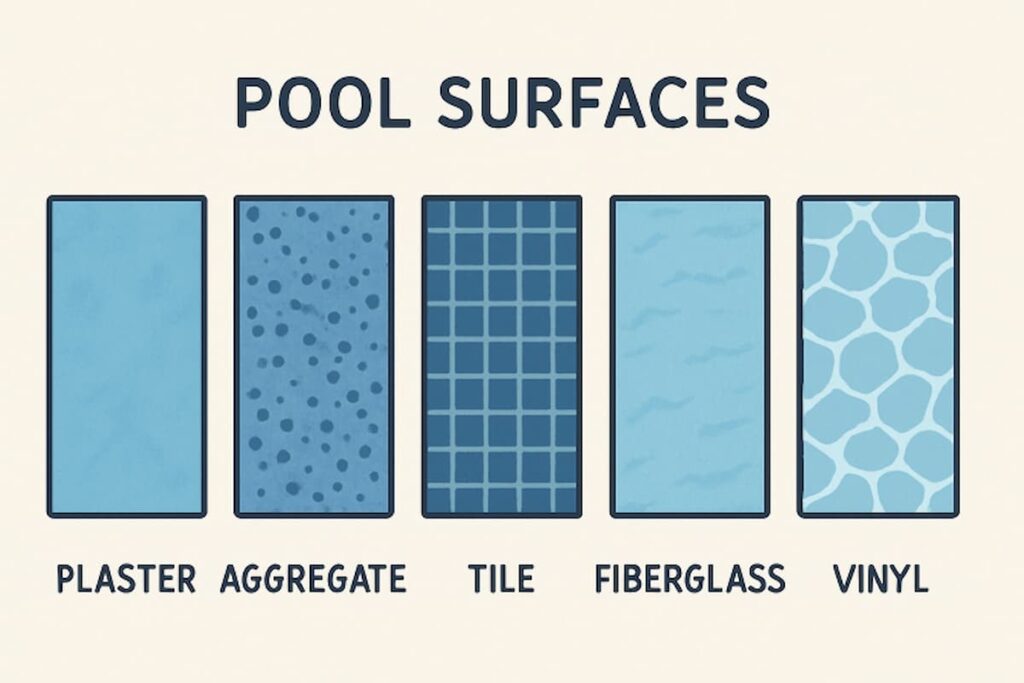
Plaster is one of the most time-honored and frequently used surfaces for pool interiors. Created from a blend of cement, sand, and water, plaster delivers a bright and inviting finish. Its smooth feel makes it comfortable for swimmers, and its classic white shade can visually enhance the cleanliness and clarity of pool water. However, plaster requires more frequent maintenance than some modern alternatives. It is susceptible to staining from imbalanced pool chemicals and may develop surface imperfections over time. Resurfacing is usually needed every 7 to 10 years to keep a plaster pool both functional and attractive.
Aggregate Finishes
For homeowners seeking extra durability and visual distinction, aggregate finishes are an increasingly popular choice. Aggregates combine standard plaster with exposed materials like quartz, glass beads, or pebbles. This blend not only adds interesting textures and colors but also increases the lifespan and resilience of the surface. Aggregate finishes are less likely to stain, better resist chemical effects, and typically last 12 to 20 years. The slightly rougher surface can also offer added grip, an appealing safety feature, especially for families.
Tile Surfaces
Tile surfaces offer the pinnacle of luxury, customization, and durability for pool interiors. Owners can choose from ceramic, porcelain, or glass tiles, each offering extraordinary visual appeal through color, pattern, and design versatility. Because tiles resist pool chemicals and are easy to clean, they require less day-to-day maintenance. Installation is more complex and costly than other finishes due to the detailed craftsmanship and labor involved, but the resulting durability and lasting beauty are well worth the investment for many. Tile surfaces can last decades with proper care and repel the kind of staining and fading that affect other materials.
Fiberglass Surfaces
Fiberglass pools arrive on-site as pre-molded shells and are notable for their ultra-smooth, non-porous finish. This surface is naturally resistant to algae growth, simplifying upkeep and often requiring fewer chemicals. Fiberglass is also excellent at retaining color and form thanks to its inherent UV resistance. Installation is significantly faster than with plaster or tile, sometimes taking only a few days. However, owners are more limited in their shape and size choices, as they are constrained to pre-manufactured molds. Despite this, fiberglass surfaces are durable, less prone to cracking, and can easily last for 20 years or more with basic maintenance.
Vinyl Liner Pools
Vinyl liners offer the most flexibility in terms of pool shapes and initial costs, as they can be custom-cut to fit almost any configuration. The liner itself provides a comfortable, smooth touch for swimmers and a gentle finish that many appreciate. Initial installation is relatively affordable. However, long-term durability is the biggest drawback. Vinyl liners are vulnerable to sharp objects, pet claws, or falling branches, and significant punctures require professional patching or liner replacement every 8 to 10 years. Prolonged UV exposure without proper protection can accelerate fading and wear.
Maintenance Considerations
Each pool surface comes with its own set of ongoing maintenance tasks. Plaster requires vigilant attention to water chemistry and frequent cleaning to prevent staining and etching. Aggregate finishes, though more robust, must still be brushed and rinsed to thwart surface deposits. Tile-lined pools require additional care for grout lines, as algae can grow if neglected. The non-porous nature of fiberglass means far less maintenance than other materials, making it appealing to those seeking a hassle-free pool. Vinyl liners require special care to avoid punctures and regular inspection for early signs of damage or aging.
Cost Analysis
The cost of your chosen pool surface can vary widely both at installation and over the years of ownership. Basic plaster is typically the most budget-friendly option at the outset, but can result in higher maintenance costs down the line due to frequent resurfacing and chemical adjustments. Aggregate and tile installations come with premium price tags thanks to the materials and labor involved, but their long lifespans can mean overall savings by reducing the frequency of major repairs. Fiberglass finds a middle ground with a moderate upfront investment and reduced ongoing expenses, while vinyl liners keep early costs low at the expense of higher lifetime replacement and repair fees. It is important to consult with a pool professional for a complete estimate based on your region and pool use patterns.
Final Thoughts
Selecting the ideal finish for your swimming pool is about balancing appearance, comfort, upkeep, durability, and budget. Whether you prioritize a timeless plaster surface, the resilience of aggregates, the beauty of tile, the simplicity of fiberglass, or the flexibility of vinyl, a careful review of each material’s unique benefits will help you create the perfect pool for years of enjoyment.