


Table of Contents
- Define Your Project Scope
- Research Potential Contractors
- Verify Credentials and Licensing
- Evaluate Experience and Expertise
- Assess Reputation and References
- Obtain Detailed Estimates
- Review Contracts Thoroughly
- Maintain Open Communication
Whether you are planning a full-scale renovation or constructing a new building, choosing the right general contractor is crucial for your project’s success. The process can be daunting, but with the right approach, you can find a trustworthy professional who will bring your vision to fruition. Many people begin their search by seeking recommendations for local commercial contractors, looking for both expertise and reliability within their area.
Having a general contractor with the right experience, licensing, and communication skills sets the foundation for avoiding costly mistakes and delays. From understanding your unique needs to reviewing estimates and formalizing agreements, each step is vital to ensuring a balanced and smooth workflow. Being methodical about your research helps you gain confidence in your decision and increases the odds of a successful project outcome.
This guide breaks down the best practices for choosing a general contractor, offering actionable tips and essential checks to save time, money, and stress. As projects become larger or more complex, having a clear process for evaluating contractors becomes even more critical.
Following these steps, you will not only choose the right contractor but also establish a more transparent and cooperative relationship throughout the project. For in-depth advice on hiring professionals for significant home renovations, consider industry resources such as Architectural Digest.
Define Your Project Scope
Before you contact any contractors, take the time to clarify every detail of your project. Specify the type of work involved, the size of the construction, materials you’d like to use, the desired completion date, and any unique features or preferences. A clear and detailed project scope minimizes misunderstandings and prevents unexpected changes or add-ons during the project.
When you have a comprehensive outline ready, it becomes easier to convey your expectations and to receive realistic bids. Contractors will appreciate a well-defined scope, as it allows them to provide more accurate timelines and cost estimates. It also allows you to identify any items that may require special attention or permits up front.
Research Potential Contractors
Getting recommendations from people you trust is a great starting point. Ask friends, family, or colleagues who have recently completed similar work about their experience with contractors. Expand your search by reviewing online directories, trade organization websites, and forums to find highly rated professionals.
After gathering a list of possibilities, narrow it down to a manageable number, such as three to five contractors. This shortlist lets you focus your deeper research, including checking their professional backgrounds and the types of projects they have completed previously. Leveraging consumer review platforms, such as the Better Business Bureau, helps you vet your candidates and assess their reputation among past clients.
Verify Credentials and Licensing
An essential part of selecting a general contractor involves confirming that they have the proper credentials. Contractors must hold the necessary licenses as mandated by state or local authorities. Licensing confirms that the contractor has the required training, experience, and qualifications to perform construction safely and legally.
Ask for proof of insurance, including both general liability and workers’ compensation coverage. This protection ensures you will not be financially responsible for accidents or injuries that occur on the job site. Contact your municipal or state licensing board to double-check their standing if needed.
Evaluate Experience and Expertise
Every construction project presents unique challenges. Ask potential contractors about their experience with projects similar to yours. For example, a contractor skilled in kitchen remodels may not have the expertise necessary for a commercial build or major structural addition. Request examples or case studies of previous work to evaluate their capabilities and problem-solving approach.
Questions to Ask:
- How many projects similar to mine have you completed?
- What were some challenges, and how did you resolve them?
- Who will be managing the project on a day-to-day basis?
Assess Reputation and References
Reputation offers invaluable insights. Reputable contractors should readily provide references from recent clients. Speaking directly to these references can reveal details about communication style, professionalism, timeliness, and overall satisfaction. If feasible, visit past project sites to gauge the quality of workmanship firsthand.
Online consumer platforms and industry publications can further validate your findings. Besides testimonials, look for consistent patterns in feedback. Widespread praise for promptness or repeated complaints about lack of follow-through provide useful clues about what you may experience.
Obtain Detailed Estimates
Qualified contractors should provide written, itemized estimates. A thorough estimate includes a breakdown of costs for labor, materials, permits, and contingency reserves. It should also list clear payment schedules tied to project milestones. Comparing multiple estimates gives you a sense of the market rate and highlights any anomalies that may signal hidden fees or potential quality issues.
Use these figures to ask questions if something looks unusually high or low. This conversation may expose opportunities for savings, better materials, or improved scheduling flexibility.
Review Contracts Thoroughly
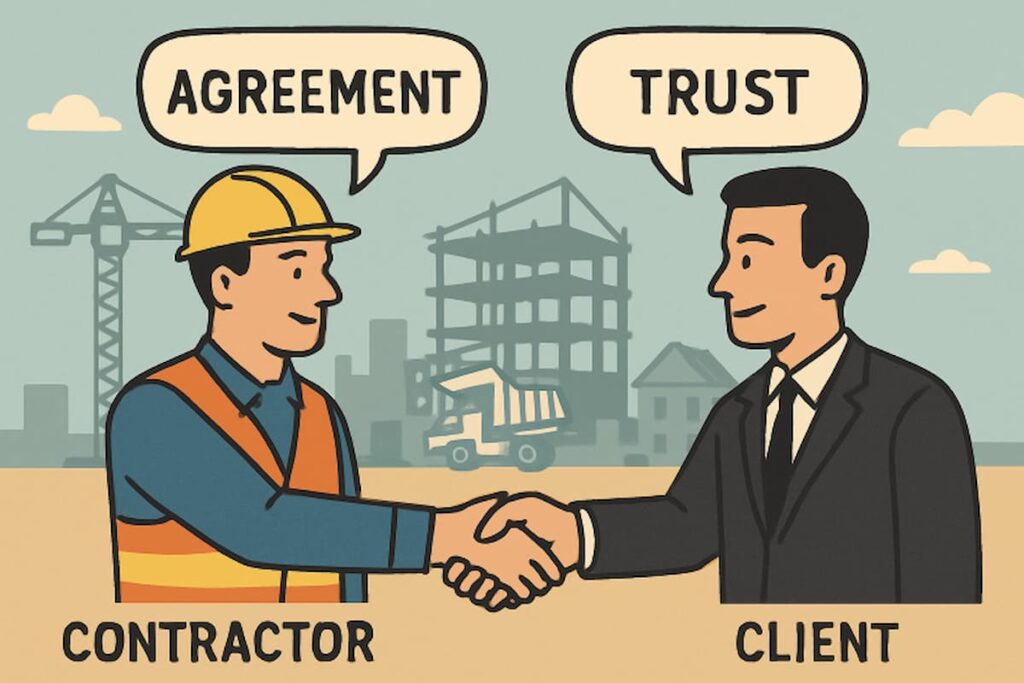
Once you’ve chosen your contractor, formalize the agreement with a comprehensive written contract. A sound contract addresses the project scope, cost structure, deposit and payment terms, start and completion dates, warranties, and procedures for change orders. Carefully reviewing contracts reduces the likelihood of disputes and outlines the rights and responsibilities of both parties.
If you are unsure about any clauses or legal language, consider having a lawyer or experienced advisor review the contract before signing.
Maintainartistrynication
Effective communication ensures that your project stays on track and any issues are resolved quickly. Agree on regular progress meetings or updates. Set clear channels for discussing concerns or changes, and document important conversations in writing. A responsive contractor who values transparency will foster mutual trust and lead to a successful outcome, minimizing misunderstandings along the way.
By following these steps, you can choose a general contractor who meets your needs and expectations, resulting in a smoother, more satisfying construction experience overall.