
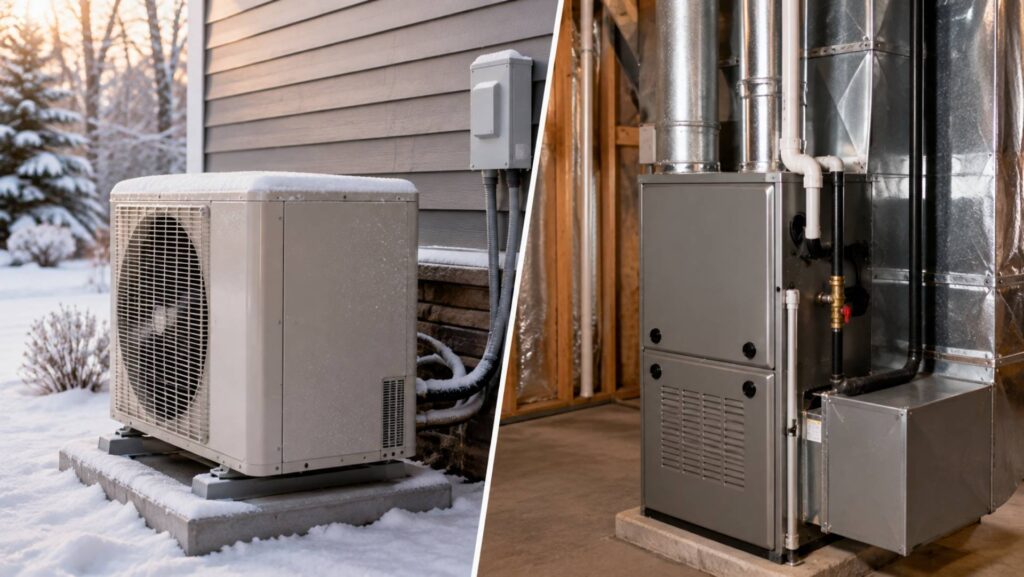

Choosing the right heating system becomes especially important when temperatures regularly fall below freezing. For homeowners thinking about heating for Pennsylvania winters, the decision often comes down to two popular options: a traditional furnace or a modern heat pump. Both can keep a home comfortable, but they work differently and perform best under different conditions.
The right choice depends on more than just how cold it gets outside. Energy costs, home size, existing HVAC equipment, installation requirements, maintenance, and personal comfort preferences can all influence which system makes the most sense. Understanding the differences can make the decision much easier.
How a Furnace Works
A furnace is one of the most familiar heating systems in American homes. Most residential furnaces use natural gas, propane, or electricity to create heat. That heat is then distributed throughout the house, typically through a network of ducts.
Gas furnaces are particularly popular in colder regions because they can generate substantial heat even when outdoor temperatures are very low. When the thermostat detects that the indoor temperature has dropped below the desired setting, the furnace starts a heating cycle. Once the air reaches the appropriate temperature, a blower pushes it through the ductwork and into the living spaces.
One of the biggest advantages of a furnace is its ability to produce strong, consistent heat. It can quickly raise indoor temperatures, which is useful during especially cold weather.
However, furnaces that burn fuel require combustion and proper ventilation. They also need regular inspections and maintenance to operate safely and efficiently.
How a Heat Pump Works
Unlike a furnace, a heat pump does not primarily create heat. Instead, it transfers heat from one location to another.
During the heating season, a heat pump extracts available heat from outdoor air and moves it indoors. Even when the air feels extremely cold, it contains some thermal energy that can be transferred. Modern cold-climate heat pumps are designed to continue operating efficiently at lower temperatures than older models.
Many heat pumps can also reverse their operation during warmer months, allowing them to provide air conditioning. This dual-purpose design can make a heat pump appealing to homeowners who want one system capable of handling both heating and cooling.
Heat pumps are generally powered by electricity, so they do not require the combustion process associated with gas furnaces. However, their performance and efficiency depend partly on the outdoor temperature and the specific model installed.
Which Performs Better in Very Cold Weather?
For decades, furnaces have had a strong reputation in colder climates for good reason. A properly sized furnace can produce high levels of heat regardless of how cold the outdoor air becomes. This makes it a dependable choice for regions that experience prolonged periods of freezing temperatures.
Heat pump technology, however, has advanced significantly. Cold-climate models are designed to provide reliable heating at much lower temperatures than earlier generations. Some can continue operating during severe winter conditions, although their efficiency may decrease as outdoor temperatures fall.
This does not necessarily make one system universally better than the other. A homeowner in a cold region should consider the area’s typical winter temperatures, the home’s insulation, the system’s efficiency rating, and whether backup heating is available.
In particularly cold areas, some homes use a dual-fuel or hybrid system. A heat pump handles much of the heating season, while a furnace takes over when temperatures become extremely low or when operating conditions make the furnace more practical.
Energy Efficiency and Operating Costs
Energy efficiency is another important factor when comparing furnaces and heat pumps.
Heat pumps can be highly efficient because they move existing heat rather than generating it through combustion. This can reduce energy consumption under favorable operating conditions. Their ability to provide both heating and cooling may also simplify a home’s HVAC setup.
Furnaces are rated according to their efficiency in converting fuel into usable heat. High-efficiency gas furnaces can make effective use of the fuel they consume, while electric furnaces can convert electricity directly into heat.
The actual operating cost of either system depends on local electricity and fuel prices. A highly efficient heat pump is not automatically the cheapest option in every location, just as a gas furnace is not necessarily the most economical choice for every household.
Homeowners should compare the system’s efficiency with local utility rates rather than relying solely on general assumptions.
Installation and Maintenance Considerations
Installation requirements can vary considerably between the two systems.
A furnace may be relatively straightforward to replace when a home already has compatible ductwork, fuel connections, and ventilation. However, gas systems require appropriate venting and combustion-air considerations.
A heat pump may require outdoor equipment, refrigerant lines, electrical work, and an indoor air handler or compatible furnace. If the home already has central air conditioning, some components may be reusable depending on the existing system and the proposed replacement.
Maintenance is important for both options. Furnaces benefit from regular inspections, filter replacement, and professional checks of combustion and safety components. Heat pumps also require filter changes, coil cleaning, refrigerant-system inspections, and attention to outdoor components.
Keeping either system properly maintained can help preserve performance and reduce the likelihood of unexpected breakdowns.
Comfort Matters, Too
The way each system delivers heat can affect how a home feels.
Furnaces typically produce warmer air during each heating cycle, which can create a noticeable burst of heat. Heat pumps generally deliver heat at a lower temperature over longer periods. Instead of producing short, intense heating cycles, they often run for longer stretches to maintain a consistent indoor temperature.
Some homeowners prefer the quick warmth of a furnace, while others appreciate the steady temperatures associated with a heat pump.
Home insulation also plays a major role. A well-insulated house retains heat more effectively, allowing either system to work less aggressively. Improving insulation, sealing air leaks, and maintaining efficient windows can therefore make a meaningful difference regardless of the heating technology selected.
So, Which System Is Better?
There is no single answer for every cold-climate home.
A furnace may be the better fit for homeowners who prioritize strong heating output during severe cold, already have compatible ductwork and fuel infrastructure, or live in an area where gas heating is economically attractive.
A heat pump may be appealing to homeowners who want an efficient electric heating and cooling system, prefer a single system for year-round temperature control, or are interested in reducing reliance on combustion-based heating.
For homes exposed to particularly harsh winters, a hybrid system can offer another option by combining the efficiency of a heat pump with the dependable high-temperature performance of a furnace.
Conclusion
The best heating system is ultimately the one that matches the home’s design, climate, energy costs, and comfort needs. Outdoor temperatures matter, but so do insulation, ductwork, equipment sizing, utility rates, and the condition of the existing HVAC system.
Before replacing a heating system, homeowners should have the property evaluated by a qualified HVAC professional. A proper assessment can identify the home’s heating requirements and help determine which equipment is likely to provide reliable performance throughout the winter.
Whether the final choice is a furnace, heat pump, or combination system, selecting appropriately sized equipment and maintaining it regularly can make cold-weather comfort more dependable and energy use more manageable.