
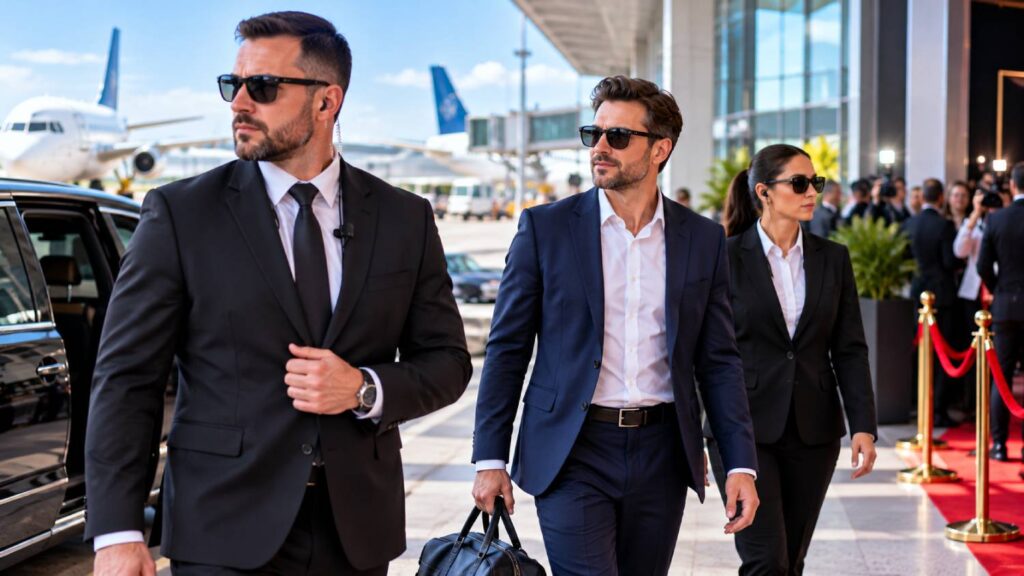

Travel and events often place people in unfamiliar settings with larger crowds, changing routines and less control over the environment. Whether you are attending a high-profile gathering, moving between locations or supporting someone with a public profile, the right protective support can reduce risk and allow you to focus on the purpose of the trip or occasion.
Choosing personal security services requires care. The right team should offer more than a visible presence. They need to understand planning, discretion and the practical demands of movement and public spaces so that protection feels natural rather than intrusive.
Understanding Your Specific Needs
Start by clarifying why you need protection and what the schedule involves. A short domestic trip carries different considerations from multi-stop international travel or a large public event. Note the venues, expected crowd sizes, any known concerns and how much public exposure is involved.
A professional provider will usually begin with a risk assessment. This examines locations, routes,, routes, venues and potential issues so that the level of support matches the actual situation rather than a standard package. Clear information from you about itineraries, timings and any sensitivities helps them prepare properly.
Licensing, Training and Vetting
In the UK, close protection officers must hold a valid Security Industry Authority (SIA) licence for close protection. Confirm that both the company and the individual officers assigned to you carry the correct licences. Background checks, such as DBS checks, form another basic expectation.
Training matters beyond the licence. Look for officers with relevant experience in personal protection, first aid skills and awareness of current security practices. Some teams also hold additional accreditations related to health and safety or counter-terrorism awareness. Ask how the company selects and continues to develop its staff. Reliable providers are open about their standards and willing to explain the qualifications of the people who will work with you.
Experience with Travel and Events
Not every security firm handles the practical realities of travel and events equally well. Travel protection often requires coordination with transport, hotels and local contacts. Event work involves understanding venue layouts, access points, crowd flow and emergency exits.
Ask about previous work of a similar nature. How do they plan routes and alternatives? Do they conduct advance visits to venues when time allows? How do they manage communication during a moving itinerary or a busy event? Experience shows in calm, organised handling of changes rather than rigid adherence to a fixed plan.
Discretion is essential. Effective personal protection rarely draws attention. Officers who can blend into the surroundings while remaining alert tend to suit most travel and event situations better than an overt presence.
Planning, Communication and Practical Arrangements
Good protection rests on preparation. Before any movement, the team should understand the full itinerary, identify vulnerable points such as arrivals and departures, and establish clear lines of communication. You should know who the main contact is and how updates will be shared.
Consider these practical points when comparing providers:
- Whether they carry out site or route assessments in advance
- How they handle last-minute changes to plans
- The size of the team relative to the risk and number of people being protected
- Arrangements for transport, including any use of trained drivers
- Insurance cover held by the company
- Clarity on costs, what is included and any limitations
A written outline of the proposed approach helps both sides stay aligned. Avoid providers who offer only a generic quote without asking detailed questions about your situation.
Common Issues and When Extra Advice Helps
One frequent difficulty is underestimating the time needed for proper preparation. Complex itineraries or large events benefit from earlier contact so that assessments and logistics can be completed. Another issue arises when communication between the protection team, venue staff and the client’s own assistants is unclear. Establishing one clear channel reduces confusion.
If your requirements involve international travel, higher public visibility or specific concerns, it can be useful to seek independent advice on the overall risk picture before finalising arrangements. Professional providers should welcome informed clients and be ready to discuss options openly.
Conclusion
Selecting the right support comes down to matching licensed, trained officers with careful planning and clear communication. Focus on proven standards, relevant experience and a willingness to tailor the approach to the travel or event in question.
When you take the time to check licences, understand the planning process and confirm practical details, personal security services can provide reliable support that lets you concentrate on the journey or occasion itself. Start conversations early, ask direct questions and choose the team that demonstrates competence and a clear understanding of your needs.