

Key Takeaways
- Electricians are responsible for installing, maintaining, and troubleshooting electrical systems across various environments.
- Multiple educational pathways, such as trade schools and apprenticeships, are available to help you gain vital knowledge and experience.
- State licensing requirements must be met, often through an exam, to enter this field.
- Career advancement and specialization can lead to increased job opportunities and earning potential.
- Continuous learning is important for keeping up with evolving technology and industry regulations.
If you enjoy hands-on work and solving practical challenges, becoming an electrician could be the gateway to a stable and rewarding career. Electricians play a vital part in modern life, ensuring the safe operation of electrical systems that power homes, businesses, and industries. For those considering this path, understanding the training requirements and available resources is key. Many begin their journey with comprehensive Apprenticeship Programs for Electricians that blend formal education and on-the-job experience to develop the necessary skills.
In this guide, you’ll discover the steps to launching a thriving career as an electrician, including the essential qualifications and unique opportunities this field offers.
Understanding the Role of an Electrician
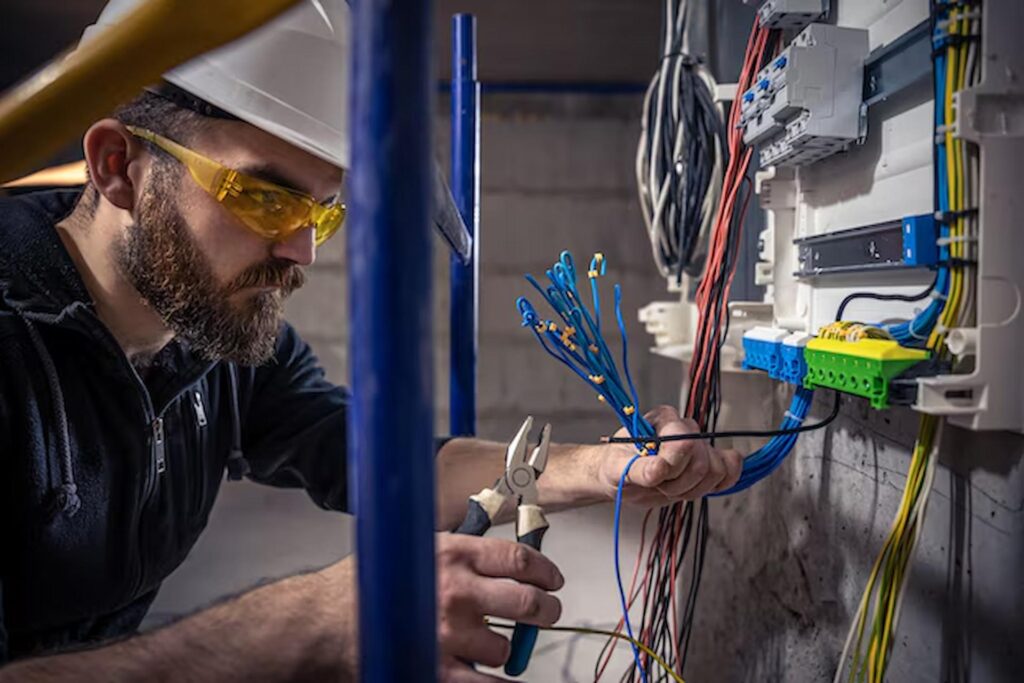
Electricians are responsible for installing, maintaining, and repairing electrical systems across residential, commercial, and industrial settings. Their tasks involve reading blueprints, interpreting technical diagrams, and ensuring compliance with codes. Key responsibilities include inspecting components, diagnosing faults, and developing solutions. Collaboration with other construction professionals is crucial, and thorough project documentation is essential. Electricians must also adapt to technological advancements, such as smart home systems and automation, which present new learning opportunities.
Educational Pathways
Prospective electricians have various educational pathways to enter the trade, including structured classroom training, hands-on apprenticeships, and associate degree programs. Each option equips students with foundational knowledge and applied experience crucial for meeting real-world job demands. Community colleges offer two-year programs in electrical technology that combine theoretical instruction with practical applications and may provide transfer opportunities to fields such as electrical engineering.
Trade schools offer comprehensive courses covering electrical theory, circuitry, wiring techniques, safety standards, and code compliance, typically lasting 6 to 12 months. These programs include hands-on labs, enhancing students’ employability, as they often participate in job-placement initiatives post-graduation.
The most common entry route is through formal apprenticeship programs lasting 4 to 5 years, which provide paid on-the-job training along with classroom instruction. These apprenticeships are vital for developing essential skills and for mentorship from journeymen, and they lead to state licensure. They allow apprentices to rotate through various job sites, exposing them to different work environments and helping them hone their specialty interests for long-term careers in the electrical field.
Licensing and Certification
After completing an apprenticeship, aspiring electricians must obtain a license to practice independently. Licensing requirements vary by state, but most require candidates to pass an exam that tests coding knowledge, practical skills, and safety awareness. Achieving licensed status opens doors to greater responsibility, higher pay, and the ability to work unsupervised. Many states also offer specialty certifications in areas such as fire alarm systems or renewable energy.
Ongoing education and recertification are often required, ensuring that licensed electricians stay up to date on key safety practices, recent code changes, and new technologies. This guarantees a consistently high standard of work and helps protect public safety.
Career Advancement and Specialization
The electrical trade offers several routes for advancement and specialization. Electricians may pursue expertise in residential, commercial, or industrial systems, or focus on emerging technologies such as solar energy, electric vehicle infrastructure, or smart home automation. Those with entrepreneurial ambitions might eventually start their own businesses. Ongoing training and certifications help electricians stay competitive and access new opportunities as the industry evolves.
Another option is to move into supervisory roles, such as project manager or electrical inspector, which add responsibility and often come with increased compensation. Teaching and training the next generation of electricians is also a possibility for those who enjoy sharing their expertise and supporting workforce development.
Continuing Education
Continuous professional development helps electricians keep pace with evolving codes, technologies, and safety practices. Some choose to return to trade schools for advanced courses, while others participate in workshops offered by professional organizations or unions. Regular upskilling not only enhances job performance but also boosts job security and earning capacity.
Networking with other professionals and joining trade associations can also provide valuable insights and access to exclusive training opportunities. Many local and national groups offer certifications, conferences, and regular updates that can enhance your career prospects and connect you to new projects and employers.
Job Outlook and Salary Potential
Employment prospects for electricians are robust, with job growth projected at 9 percent through 2034, outpacing the average for all occupations. Wages can vary by experience, geographic location, and specialization, but electricians consistently enjoy competitive pay and strong job security. In addition, the demand for skilled workers continues to rise as new buildings, renovations, and green energy initiatives drive the need for qualified professionals. According to the U.S. Bureau of Labor Statistics, the ongoing transition to energy-efficient technology means the field will remain in demand for years to come.
As infrastructure ages and the focus on renewable energy grows, electricians will play a larger role in adapting old systems and developing new ones. Government incentives and private investment in clean energy are expected to drive additional job creation, particularly in solar and wind technologies. This means that new entrants to the field can expect not only reliable employment but also the chance to work at the forefront of sustainable technology.
Conclusion
Choosing a career as an electrician is both practical and rewarding for those who value problem-solving, hands-on work, and the opportunity to contribute to essential community infrastructure. By following the right educational pathways, pursuing necessary certifications, and investing in ongoing training, you can enjoy a long, secure, and fulfilling career in the electrical trades.
Whether you are starting fresh or seeking a mid-career change, the journey to becoming an electrician offers ongoing learning, variety in daily tasks, and the satisfaction of making a tangible difference in people’s lives. This dynamic field allows for personal and professional growth, and the skills you acquire are sure to remain valuable for years to come.