
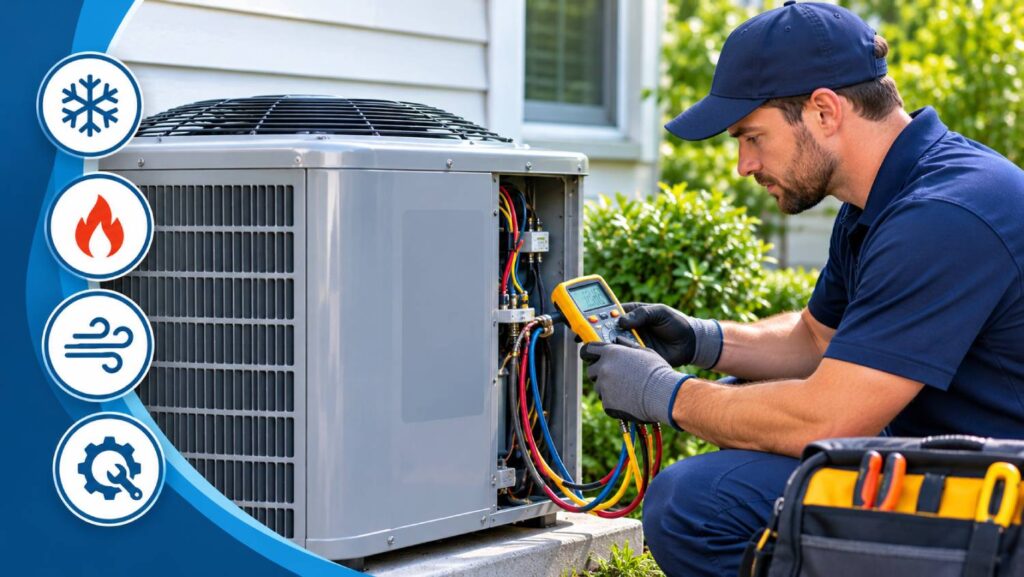

When your air conditioning fails during a humid Florida summer, the house gets uncomfortable fast. Most cooling problems follow familiar patterns, and knowing them helps you act early, avoid bigger bills and talk confidently with a technician. This guide explains the usual faults and how trained professionals fix them.
Why Southwest Florida Is Hard on Air Conditioning
Systems here run for much of the year. Long cooling seasons, high humidity and salty coastal air all add wear to compressors, coils and electrical parts. Storm-related power surges can also damage sensitive components.
That is why dependable HVAC repair and service in Southwest Florida matters more than it would in a cooler climate. A small fault left alone can quickly become a full breakdown.
Simple Checks to Try Before You Call
A few quick checks can save you a visit:
- Make sure the thermostat is set to “cool” and the temperature is below room level.
- Check that the circuit breaker has not tripped.
- Replace a dirty air filter, which restricts airflow.
If none of these help, book HVAC repair and service in Southwest Florida rather than repeatedly resetting the unit. Constant restarts can worsen the underlying fault.
Common HVAC Problems and Professional Fixes
1. The AC Blows Warm Air
Causes range from low refrigerant to a failed compressor or a dirty outdoor coil. A technician measures refrigerant pressure, airflow and temperature drop to find the real cause. Fixes include cleaning the coil, repairing a leak or replacing a faulty part.
2. Frozen Evaporator Coil
Ice on the indoor coil usually points to restricted airflow or low refrigerant. If you spot ice, switch the system off and let it thaw. A professional will then clear the airflow problem or repair the leak and recharge the system properly.
3. Blocked Condensate Drain
Humid air produces a lot of water, and algae can clog the drain line. The result may be water leaking indoors or an automatic shutdown. Technicians flush the line, treat it and check the drain pan for damage.
4. Refrigerant Leaks
Refrigerant is not “used up”, so low levels mean a leak. Topping up without repairing it is only a temporary fix. Professionals locate the leak, repair it, then recharge to the manufacturer’s specification. Only certified technicians may handle refrigerant.
5. Faulty Capacitors and Electrical Parts
If the unit hums but will not start, a worn capacitor or contactor is a common culprit. These parts fail often in hot conditions. Replacement is quick, but working with electrical components is unsafe without training.
6. Thermostat Problems
An inaccurate or unresponsive thermostat can make a healthy system seem faulty. Technicians test wiring and calibration, then recalibrate, repair or upgrade the unit to a programmable model.
7. Strange Noises or Smells
Grinding or squealing often signals worn bearings or a failing motor. Musty smells may come from mould in the ductwork or coil. A technician inspects the source, cleans or replaces components and advises on improving air quality.
What Happens During a Professional Repair Visit
A good visit follows a clear process:
- Listening: The technician asks about symptoms and when they began.
- Diagnosis: They inspect the system and test performance with proper tools.
- Explanation: You receive a clear description of the fault and your options.
- Repair: Parts are fixed or replaced, and the system is tested afterwards.
Prevention Tips That Pay Off
- Change filters every one to three months.
- Keep the outdoor unit clear of leaves and debris.
- Schedule annual maintenance before the hottest months.
- Act on early warning signs such as weak airflow or rising energy bills.
Final Words
Most air conditioning faults give warning signs before a complete failure. Paying attention to them, doing basic checks and calling a qualified technician at the right time protects your comfort and your budget. Regular maintenance is the simplest way to keep your system running smoothly through the hottest months.